
ARTFIT Technologies is redefining the paradigm for shipping and storing fine art, antiques and luxury objects using an end-to-end process comprising 3D scanning, computer engineered design and automated manufacturing tools.
Bob Crozier leveraged over fifty years’ industry knowledge and assembled a team of art packing and handling specialists to develop the preeminent model for generating sustainable foam brace-pack inserts and cavity pack cases suitable for multiple shipments and long-term archival storage.


The model for 3D packing has changed.
The fine arts packaging and storage industry has historically relied on manual, craft-based methods. Foam is cut by hand, fit is assessed subjectively, and protective performance is rarely validated scientifically. These methods are slow, inconsistent, and unable to meet the demands of modern conservation, where objects are increasingly fragile, irregularly shaped, and required to travel frequently.
Artfit Technologies addresses this gap by introducing a digital-first, physics-validated, robotics-enabled manufacturing system capable of producing conservation-grade packaging with the required precision and repeatability for both form and function.
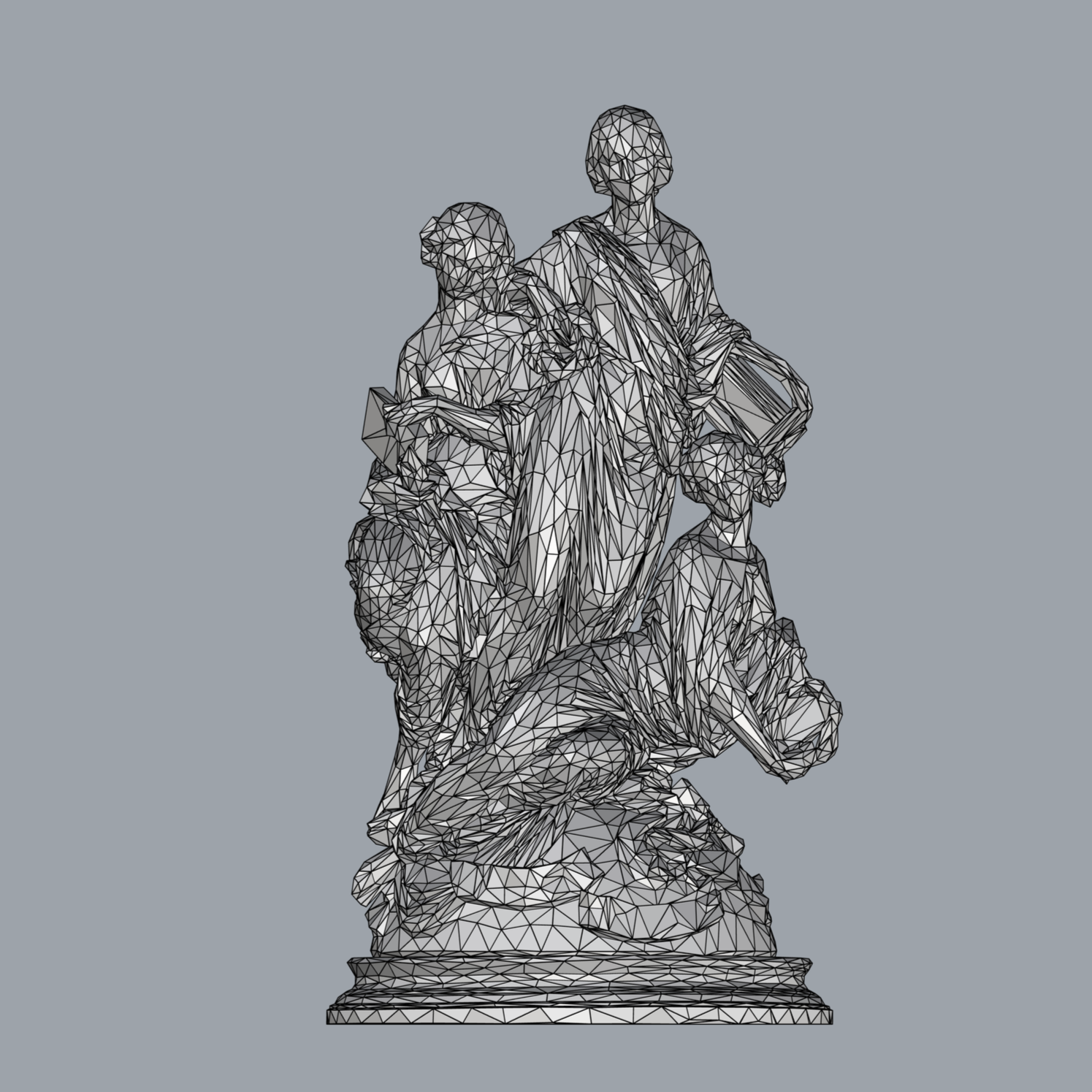
3D scan
We begin with a 3D scan of your object. Scanning can be done on-site, and is non-contact. The scanner uses infrared light, which does not damage fragile surfaces. The scan yields precise measurements in all dimensions, which we use to create a perfect negative of your object.
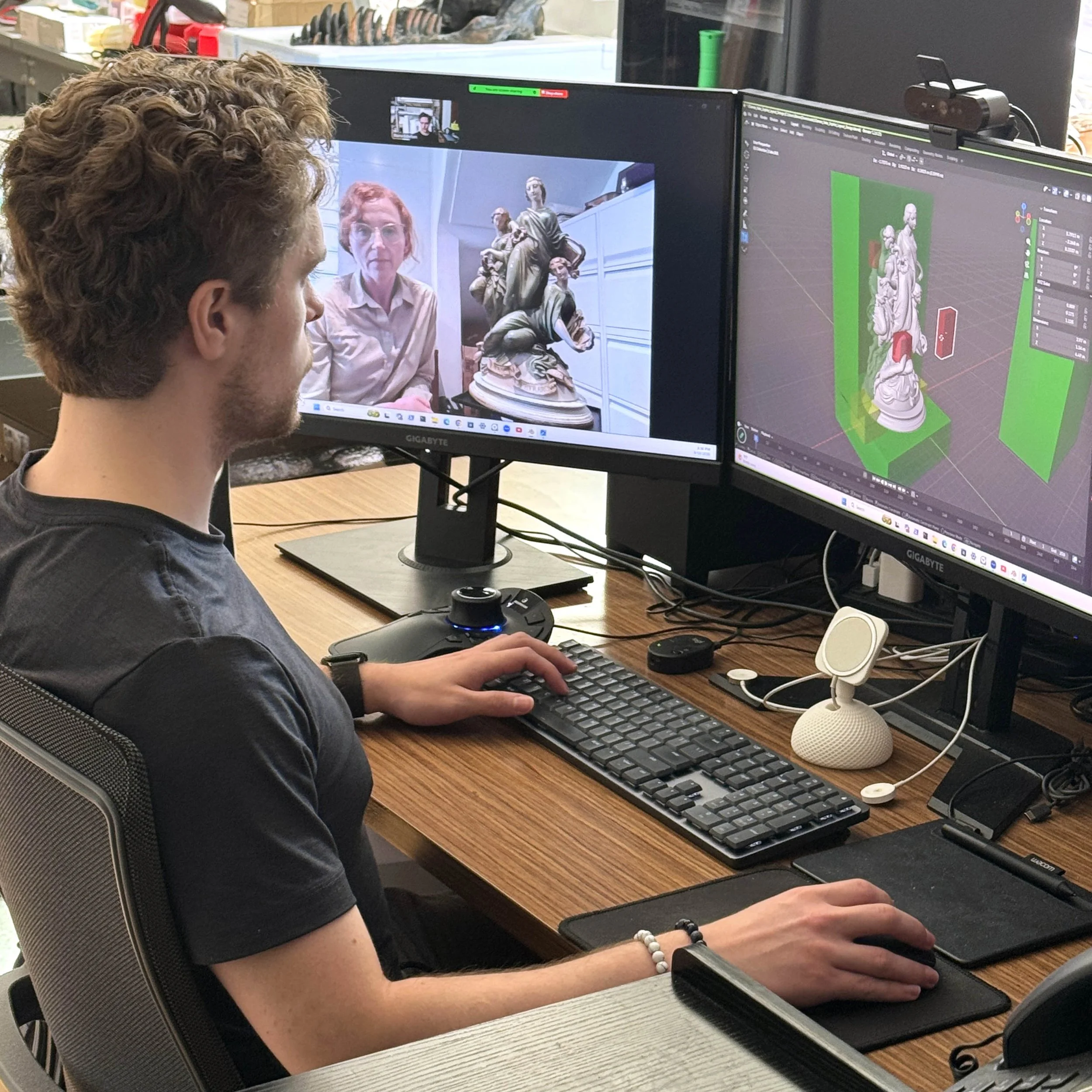
The next step is a personal design meeting over video conference. Drawing on years of experience packing and crating delicate works of art, your dedicated engineer will work with you to design a custom crating solution for your unique object.
Layout design

Custom CNC-milled foam
The final insert is CNC milled directly from 3D scan data, which means the fit is exact down to the millimeter. We design every insert to avoid stress on fragile points of your object. We use inert foam that is safe for package protection and long-term storage.